Deep Cleaning in EC1: A Practical, Detailed Look at What Makes a Property Truly Clean
Deep cleaning in EC1 is more than a quick tidy-up or a standard weekly clean. It is a thorough, targeted service designed to remove built-up dirt, hidden grime, and bacteria from every accessible part of a home or business property. In a busy area like EC1, where homes, offices, rentals, and mixed-use spaces see constant traffic, deep cleaning is often the difference between a space that simply looks presentable and one that feels properly refreshed. Whether you are preparing for guests, moving in, moving out, or just resetting a property after months of normal use, deep cleaning in EC1 provides a much higher level of hygiene and detail than routine cleaning can usually deliver.
Many people search for deep cleaning in EC1 when they notice that everyday cleaning no longer feels enough. Soap scum returns quickly, dust collects in corners, kitchen grease lingers, and bathrooms begin to show signs of wear that standard cleaning does not fully resolve. That is where a structured deep clean becomes valuable. It focuses on the areas most often missed during regular upkeep, including behind appliances, inside cabinets, around fixtures, and along skirting boards. The result is not just a cleaner appearance, but a healthier and more manageable space.
In this article, we will look at what deep cleaning in EC1 includes, why it matters, when to book it, and how to get the best possible results. If you are comparing options or planning your next property reset, this breakdown will help you understand what to expect and how to make a practical choice.
What Deep Cleaning in EC1 Actually Means

Deep cleaning in EC1 refers to a more detailed and labor-intensive cleaning process that goes beyond surface-level maintenance. It is designed to reach the dirt that accumulates gradually over time and is not removed by standard cleaning routines. This may include limescale on taps, grease on extractor fans, dust on high ledges, stains on tiles, and hidden debris in the gaps around furniture or appliances. Unlike regular cleaning, which focuses on keeping a property tidy from week to week, a deep clean aims to restore a much higher standard of cleanliness.
In practical terms, deep cleaning in EC1 often covers the kitchen, bathrooms, living areas, bedrooms, hallways, and any other internal space that needs intensive attention. Every room is assessed for buildup, marks, residue, and neglected areas. The process may also involve moving lightweight items to clean underneath, disinfecting touchpoints, and treating problem spots with the appropriate products. The emphasis is on detail and completeness.
It is not a cosmetic service alone. A proper deep clean improves the overall condition of the property, supports better hygiene, and can make ongoing maintenance easier. For many households and businesses, this creates a noticeable difference in comfort and appearance. When done correctly, it can feel like the space has been professionally reset.
Why Deep Cleaning in EC1 Matters for Homes and Businesses

Deep cleaning in EC1 matters because local properties are often exposed to heavy use. In residential settings, that may mean children, pets, visitors, cooking activity, and day-to-day dust. In commercial environments, it can mean footfall, shared workspaces, kitchens, reception areas, and washrooms that need extra care. Over time, these conditions lead to buildup that standard cleaning does not fully address.
For homeowners, the benefits are straightforward. Deep cleaning helps create a more comfortable living environment, reduces visible clutter caused by dirt and dust, and improves the feel of the home. For landlords and tenants, it is especially useful at the start or end of a tenancy. A well-executed deep clean can help prepare a property for inspection, viewings, or new occupants. In offices and retail settings, it supports a more professional impression and can contribute to better workplace hygiene.
There is also a practical maintenance angle. Once dirt hardens, grease thickens, or limescale builds up, cleaning becomes harder and more time-consuming. Regular deep cleaning helps prevent this cycle from getting out of hand. It can extend the life of fixtures, reduce unpleasant odours, and make regular cleaning much easier to keep up with afterward.
What Is Usually Included in a Deep Clean?
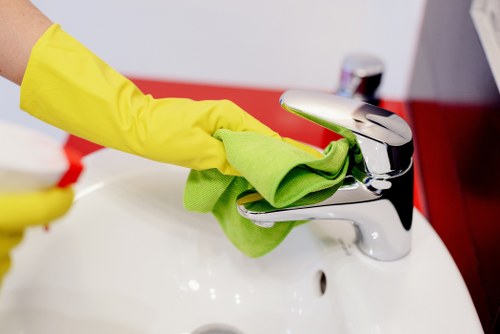
A deep cleaning in EC1 service typically includes a much wider scope than a standard clean. While exact tasks vary by provider and property type, the following areas are commonly covered:
- Kitchen degreasing, including hobs, splashbacks, extractor surfaces, and cupboard fronts
- Bathroom descaling, sanitising, and polishing of taps, sinks, toilets, showers, and tiles
- Dust removal from skirting boards, shelves, frames, ledges, and other hard-to-reach areas
- Internal cleaning of cabinets, drawers, and accessible storage spaces
- Thorough vacuuming and mopping of floors, including edges and corners
- Cleaning behind and around furniture where access is possible
- Door frames, handles, switches, and other high-touch points
- Window sills, interior glass, and other overlooked surfaces
Some services also include appliance cleaning, mattress vacuuming, mould-prone area treatment, and additional sanitisation. The exact scope should always be confirmed in advance, because deep cleaning in EC1 can be adapted to different property sizes and priorities. For example, a family home may need more focus on kitchens and bathrooms, while an office may need more attention on communal areas and desks.
Not every property needs the same level of detail in every room. A good deep clean targets the areas that matter most and uses time efficiently. That is what separates a useful service from a generic surface clean.
When to Book Deep Cleaning in EC1
There are several situations where deep cleaning in EC1 makes sense. The most obvious one is when a property has not had a detailed clean for a long time and visible buildup has become difficult to manage. However, there are many other moments when booking a deep clean is a smart decision.
Common reasons to book a deep clean include:
- Before moving into a new home or flat
- After moving out and before a final inspection
- Before or after hosting an event
- Seasonal resets, such as spring cleaning
- Following renovation or decorating work
- After a period of illness or reduced upkeep
- When preparing a property for sale or rental
- When standard cleaning is no longer sufficient
Deep cleaning in EC1 is also worth considering if you manage a workplace that must remain presentable and hygienic. Shared spaces often need more than basic day-to-day maintenance, especially in environments where customers, clients, or staff rely on cleanliness as part of the experience.
In simple terms, if the property needs a reset rather than a touch-up, a deep clean is the right call.
Kitchen Deep Cleaning: The Most Demanding Area
The kitchen is often the most challenging part of deep cleaning in EC1 because it collects grease, food residue, moisture, and dust at the same time. Even in homes that are cleaned regularly, kitchen surfaces can develop hidden buildup behind appliances, around handles, and in corners where splashes are not immediately visible. Over time, this affects both appearance and hygiene.
A proper kitchen deep clean usually includes careful attention to hobs, worktops, sinks, taps, cupboard exteriors, appliance fronts, splash zones, and floor edges. Where possible, cleaners may also clean inside microwaves, ovens, fridges, and other appliances if that service is included. The aim is to remove residue that ordinary wiping cannot handle. Grease needs targeted treatment, not just a quick pass with a cloth.
For many households, the kitchen is the room where a deep cleaning in EC1 delivers the most visible transformation. It is also one of the best places to start if you want the whole property to feel cleaner. When the kitchen is properly handled, the rest of the home often feels easier to maintain. That is why kitchen cleaning is usually treated as a priority in deep clean planning.
Bathroom Deep Cleaning and Hygiene Standards

Bathrooms require careful attention during deep cleaning in EC1 because they combine moisture, bacteria, soap residue, and limescale. Even a bathroom that is cleaned regularly can still develop stubborn marks around taps, shower screens, tiles, grout, and drains. Deep cleaning focuses on restoring cleanliness at a level that supports both appearance and hygiene.
Typical bathroom tasks include descaling taps and shower heads, removing soap scum, sanitising toilets and sinks, cleaning mirrors, polishing fixtures, and treating tile surfaces. Grout lines and corners often need extra time because they collect grime that is easy to miss. Ventilation areas, if accessible, may also need dust removal. This kind of work is especially important in properties with shared bathrooms or high occupancy.
Bathrooms are one of the clearest indicators of whether a property has been properly deep cleaned. When these rooms are handled thoroughly, the difference is immediate. Smells are reduced, stains are less visible, and the room feels fresher overall. That is why many people place bathroom cleaning at the center of their deep cleaning in EC1 priorities.
How Deep Cleaning in EC1 Supports a Healthier Environment
One of the strongest reasons to book deep cleaning in EC1 is health. Dust, allergens, grease, damp residue, and bacteria all collect over time, especially in spaces that see frequent use. Standard cleaning can reduce some of this, but deeper treatment is often needed to remove buildup from surfaces and hidden zones. This matters for households with children, older adults, or anyone sensitive to dust and indoor allergens.
Deep cleaning can also help improve indoor air quality indirectly by reducing dust on surfaces and in soft furnishings. While it is not a substitute for proper ventilation or maintenance, it does play a meaningful role in creating a cleaner indoor environment. Cleaner surfaces usually mean fewer particles being disturbed into the air. That is a practical benefit many property owners notice after the job is complete.
There is also an everyday comfort factor. A home or workplace that has been thoroughly cleaned often feels easier to use and more pleasant to spend time in. People tend to notice details they had stopped seeing, such as clearer surfaces, fresher smells, and the absence of sticky or dusty residue. That shift can be surprisingly valuable.
Key hygiene benefits
- Reduced dust and visible allergens
- Less grime around touchpoints and shared surfaces
- Improved bathroom and kitchen sanitation
- Lower buildup in neglected corners and edges
- Better overall freshness in lived-in spaces
This is why deep cleaning in EC1 is often treated as a hygiene reset, not just a cosmetic service.
What to Expect from a Professional Service
If you book a professional deep cleaning in EC1, the experience should feel structured and methodical. A reliable provider will usually begin by understanding the property type, room count, priority areas, and any access issues or special requirements. This helps ensure the work is planned properly and no important detail is missed. The best results usually come from a clear scope and realistic timing.
Professional cleaners normally bring the right products and tools for different surfaces. That may include degreasers, descalers, microfiber cloths, vacuums, mops, scrubbing tools, and disinfectants. Good practice matters because the wrong product can damage delicate surfaces, while the right one can make a major difference in cleaning efficiency. Experience matters here because every surface responds differently.
It is also common for a service to be tailored to the condition of the property. For example, a lightly used apartment may need a focused deep clean of kitchens and bathrooms, while a heavily used family home may need broader attention across all rooms. The key point is that deep cleaning in EC1 should be intensive enough to be meaningful, but targeted enough to be efficient.
How to Prepare for Deep Cleaning in EC1
Good preparation can improve the outcome of a deep clean and make the process smoother. While most of the heavy work is done by the cleaner, a few simple steps can help ensure time is used well and key areas are accessible. This is especially useful if you want the service to focus on detail rather than on moving clutter.
Before the appointment, it helps to:
- Remove personal items from surfaces where possible
- Clear access to sinks, worktops, floors, and bathrooms
- Identify problem areas such as stains, mould, or odours
- Secure valuables or fragile items
- Confirm whether appliances or inside-cabinet cleaning is included
If you are arranging deep cleaning in EC1 for a rental property, end of tenancy, or pre-sale refresh, it can also help to walk through the space beforehand and decide which areas need special attention. That way, the service can be aligned with your priorities instead of relying on assumptions.
Choosing the Right Deep Cleaning Approach
Not every property needs the same type of deep cleaning in EC1. A one-bedroom flat, a family townhouse, an office suite, and a retail unit all present different challenges. Choosing the right approach means understanding what level of detail is required and how much time should be allocated to each area. A smaller space may still need intensive work if it has been neglected, while a larger space may only need focused attention in key rooms.
When comparing services, consider the following factors:
- What is included in the quote
- Whether kitchen and bathroom detail work is covered
- How flexible the service is for specific problem areas
- Whether specialist treatments are available for limescale, grease, or mould
- How the provider handles property type differences
The cheapest option is not always the best value if the scope is too limited. In deep cleaning, outcome matters more than headline price. A well-planned service that reaches the important hidden areas will usually deliver better long-term value.
Why Deep Cleaning in EC1 Is Different from Standard Cleaning
Standard cleaning keeps a space under control, while deep cleaning in EC1 restores it. That is the simplest way to distinguish the two. Routine cleaning often focuses on visible surfaces, floors, waste removal, and basic tidying. Deep cleaning adds the detail work that standard maintenance leaves behind. It reaches areas that are harder to access, time-consuming to clean, or too heavily soiled for a regular visit to manage effectively.
This difference matters because many properties gradually develop grime in places that do not show up until a thorough clean is done. Once those areas are addressed, regular cleaning becomes easier and more effective. Deep cleaning therefore works as both a corrective service and a maintenance reset. That is one reason it remains highly relevant in EC1, where many properties experience busy daily use.
Common Mistakes to Avoid
When arranging deep cleaning in EC1, a few common mistakes can reduce the value of the service. The first is assuming that all services include the same tasks. They do not. Another issue is failing to define priorities before the appointment, which can lead to time being spent on lower-value tasks while important areas remain underdone. A third mistake is expecting a light clean to achieve deep-clean results.
To avoid disappointment, keep these points in mind:
- Confirm exactly what is included
- Set priorities for kitchens, bathrooms, or other high-use areas
- Be realistic about the condition of the property
- Allow enough time for proper detail work
- Choose a service suited to the space, not just the price
Clear expectations lead to better outcomes. That is especially true for deep cleaning, where time, detail, and scope all affect the final result.
Deep Cleaning in EC1 for Landlords, Tenants, and Property Managers
Deep cleaning in EC1 is especially important in rental and managed properties. Landlords often need a property to look presentable before new tenants arrive. Tenants may need to leave a property in excellent condition to support deposit returns or satisfy move-out expectations. Property managers may need reliable cleaning support between occupancies, after maintenance work, or ahead of inspections.
In these cases, the service is not just about appearance. It is about protecting standards, reducing disputes, and keeping the property ready for use. A detailed deep clean can help present the property properly, highlight care and maintenance, and reduce the risk of complaints about leftover dirt or buildup. That makes deep cleaning a practical operational tool as much as a cleaning service.
Final Thoughts on Deep Cleaning in EC1
Deep cleaning in EC1 is a valuable service for anyone who wants a property to feel genuinely refreshed, hygienic, and easier to maintain. It goes beyond routine cleaning and focuses on the areas that accumulate dirt over time, especially kitchens, bathrooms, edges, hidden corners, and high-touch surfaces. Whether you are preparing for a move, resetting after a busy season, or improving the condition of a home or business, a deep clean can make a clear and measurable difference.
The key is to treat deep cleaning as a structured process rather than a vague promise. Know what areas need attention, confirm the scope, and choose the level of service that matches the condition of the property. When done properly, deep cleaning in EC1 supports better hygiene, stronger presentation, and less day-to-day maintenance pressure.
If your property needs more than a surface clean, book your service now and get the space back under control. Contact us today to take the next step toward a cleaner, fresher environment.