End of Tenancy Cleaning in EC1: A Practical, Detailed Approach for Tenants and Landlords
When a tenancy comes to an end, the condition of the property can become one of the biggest points of discussion between tenants, landlords, and letting agents. In a busy central London area like EC1, where flats, maisonettes, and shared homes move quickly between occupants, end of tenancy cleaning in EC1 is not just a nice extra—it is often essential for a smooth handover. A property that is cleaned properly looks cared for, feels fresh, and stands a much better chance of passing inspection without unnecessary disputes.
Many people assume that basic tidying is enough before moving out, but end of tenancy cleaning is far more detailed than a standard weekly clean. It is designed to restore the property as closely as possible to the condition it was in at the start of the tenancy, allowing for fair wear and tear. From oven degreasing to skirting boards, from limescale removal to carpet attention, every surface matters. That is why professional end of tenancy cleaning EC1 services are in such high demand across the area.
For tenants, the main concern is usually getting the home ready for final inspection and supporting the return of the deposit. For landlords and letting agents, the priority is making the property appealing and ready for the next occupant without delay. Either way, a well-executed end of tenancy cleaning in EC1 helps prevent complaints, saves time, and improves the overall moving process.
Why End of Tenancy Cleaning Matters in EC1

EC1 covers some of London’s most active and varied neighbourhoods, with a mix of modern apartments, converted buildings, studio flats, and traditional townhouses. Because properties in this area are often let quickly and frequently, cleanliness expectations are high. A neglected kitchen, dusty blinds, or marks on walls can create a negative impression immediately, even if the property is otherwise in good condition.
Professional end of tenancy cleaning EC1 is important because it addresses the small details that people often miss when moving out in a hurry. These details include deep cleaning behind appliances, sanitising bathrooms, and wiping down hidden areas such as the tops of cupboards, light switches, and door frames. When these areas are overlooked, an inspection can quickly identify shortcomings.
There is also a financial reason to take end of tenancy cleaning seriously. Deposit disputes often arise from cleaning standards rather than structural damage. A thorough end of tenancy cleaning in EC1 can reduce the risk of deductions and help ensure that both parties feel the handover has been handled fairly. In a competitive rental market, that peace of mind is valuable.
What End of Tenancy Cleaning Usually Includes

Although cleaning requirements vary by property and tenancy agreement, a typical end of tenancy cleaning in EC1 covers all major rooms and surfaces. The aim is to remove grime, dust, stains, and built-up residue from the property so it appears as fresh as possible. This is usually much more intensive than normal domestic cleaning.
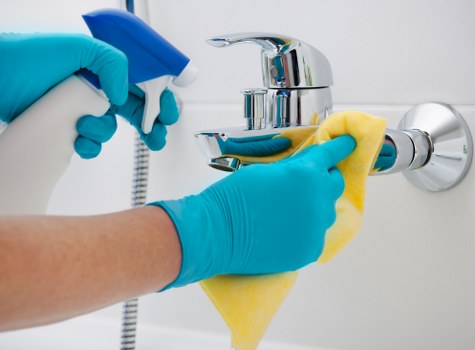
In kitchens, the focus is often on the oven, hob, extractor fan, cupboards, worktops, splashbacks, sink, taps, and floors. Bathrooms typically require limescale removal, descaling of taps and shower screens, disinfecting toilets, cleaning tiles, mirrors, basins, and polishing fittings. Bedrooms and living areas usually need dusting, vacuuming, wiping of surfaces, and attention to marks on switches, handles, and skirting boards.
Many professional cleaners also include internal windows, window frames, wardrobes, shelves, and accessible light fittings. Some services can also handle appliances such as fridges, freezers, washing machines, and dishwashers. In many cases, this level of detail is what makes end of tenancy cleaning EC1 effective for final inspections.
Areas Commonly Covered During a Deep Clean

To understand the value of end of tenancy cleaning EC1, it helps to look at the areas that are usually covered in a more structured way:
- Kitchen: ovens, hobs, sinks, cupboards, countertops, tiles, appliances, floors
- Bathroom: toilets, showers, baths, taps, mirrors, basins, grout, tiles, floors
- Living room: dusting, vacuuming, wiping surfaces, skirting boards, switches
- Bedrooms: wardrobes, shelves, floors, windowsills, doors, handles
- Hallways: floors, banisters, edges, marks, fixtures, fittings
In many EC1 properties, especially apartments and shared homes, this level of attention is vital because spaces are compact and dirt can be easier to notice. A clean flat instantly feels bigger, lighter, and more inviting. That can make a real difference whether the aim is to satisfy a landlord, prepare the property for new tenants, or simply leave with confidence.
It is also worth noting that end of tenancy cleaning in EC1 often includes tasks that are not part of standard housekeeping. For example, moving appliances to clean behind them, removing built-up grease around the cooker, or cleaning inside cupboards and drawers can take a lot of time and effort. These tasks are exactly where professional support becomes especially useful.
Why EC1 Properties Often Need Extra Attention

Properties in EC1 are often subject to heavy use because the area is well connected, fast-paced, and popular with professionals, students, and sharers. That means kitchens and bathrooms can wear down quickly, and dust can collect in corners and on high surfaces more easily than people expect. Small flats, in particular, show dirt faster because every surface is more visible.
Another reason end of tenancy cleaning EC1 needs careful planning is the variety of property types in the area. A converted loft may have exposed beams and hard-to-reach edges. A modern apartment may include integrated appliances and glass surfaces that show fingerprints instantly. A shared flat may have more stubborn wear in the kitchen and bathroom from multiple occupants. Each property type requires a slightly different approach.
Because of this, a tailored end of tenancy cleaning in EC1 is usually more effective than a one-size-fits-all clean. Cleaners need to adapt their methods to the layout, materials, and condition of the home. That is especially important when the tenancy ends under time pressure and the final inspection date is close.
Benefits of Hiring Professional Cleaners in EC1
Some tenants attempt to handle end of tenancy cleaning themselves to save money, but the process is often more demanding than expected. Time is limited, moving boxes are everywhere, and access to supplies may be restricted once packing has started. Professional end of tenancy cleaning EC1 services help remove that pressure by bringing experience, equipment, and structure to the task.
One major benefit is consistency. Professional cleaners follow a methodical routine, ensuring that no major area is skipped. They understand the level of detail expected by landlords and letting agents. They also know where problem areas tend to be, such as grout lines, oven trays, tap bases, and behind large appliances. This makes end of tenancy cleaning in EC1 more reliable than a rushed DIY effort.
Another advantage is efficiency. A trained team can complete in hours what might take an unprepared tenant most of a day—or longer. That time saving is extremely useful during a move, when there are so many other tasks to manage. For many people, professional end of tenancy cleaning EC1 is not simply about cleanliness; it is about reducing stress during an already busy transition.
Key advantages at a glance
- Better chance of passing inventory checks
- Less stress during moving day
- More thorough attention to hidden dirt
- Useful for deposit protection
- Suitable for busy schedules and tight deadlines
How to Prepare for End of Tenancy Cleaning
Preparation can make a big difference to the outcome of end of tenancy cleaning in EC1. The more organised the property is before the cleaners arrive, the more effective the clean will be. Start by removing all personal belongings, emptying cupboards, and checking that nothing has been left behind in drawers, on shelves, or under beds. Clearing space allows cleaners to reach all areas properly.
It is also helpful to defrost the freezer in advance if that is part of the agreed cleaning scope. Removing food, taking out bins, and ensuring that washing up is completed can make the entire process smoother. If carpets need special attention or there are stains that should be treated, flagging those in advance allows the cleaning team to prepare the right products.
Tenants should also review the inventory report, if available, before cleaning begins. This helps identify any areas that were already marked as worn, which can be useful when comparing the property’s original condition to its final state. A clear understanding of expectations makes end of tenancy cleaning EC1 more focused and effective.
End of Tenancy Cleaning Checklist for EC1 Homes
A structured checklist helps keep the process organised and ensures that no important areas are forgotten. Whether you are cleaning yourself or booking a professional team, a checklist is one of the most practical tools for achieving strong results. In end of tenancy cleaning EC1, the checklist often includes a blend of visible and hidden areas.
- Remove all rubbish and personal items.
- Clean inside and outside kitchen cupboards.
- Degrease oven, hob, and extractor fan.
- Descale bathroom taps, shower heads, and tiles.
- Wipe skirting boards, doors, and handles.
- Vacuum and mop all floors.
- Dust light fittings, shelves, and vents.
- Clean windows, sills, and frames.
- Check under furniture and appliances.
- Inspect the final result room by room.
For many properties, especially compact flats in EC1, this checklist can be adapted to suit the layout. For example, if the home has laminate flooring instead of carpet, then mopping and stain removal may be more important. If the property has large windows or balcony doors, glass cleaning may need extra attention. The best end of tenancy cleaning EC1 plans are flexible but still detailed.
Common Mistakes People Make
One of the most common mistakes is leaving the clean until the very last minute. When packing, moving, and handing over keys all happen at once, it is easy to underestimate how long end of tenancy cleaning in EC1 actually takes. This often leads to a rushed result, and rushed cleaning tends to miss important details.
Another frequent problem is using the wrong products or not allowing enough time for cleaning chemicals to work. For example, grease and limescale often need to sit for a few minutes before they can be removed effectively. Without patience, the result may look acceptable at first glance but still fail close inspection. Professional end of tenancy cleaning EC1 avoids this issue by using the right tools and techniques.
Some tenants also forget the areas that are least visible, such as behind radiators, on top of cabinets, or around the edges of appliances. These spots may not seem important, but they are often the first places a landlord or agent notices during a final check. A careful, end of tenancy cleaning EC1 process means treating these hidden areas as seriously as the main rooms.
How Landlords and Letting Agents Benefit
It is not only tenants who benefit from proper end of tenancy cleaning in EC1. Landlords and letting agents gain a lot as well. A thoroughly cleaned property can be marketed faster, viewed more positively, and prepared for new occupants without delay. This is especially helpful in a busy rental market where vacant periods can affect income.
A clean property also supports a smoother inventory process. When the home is in excellent condition, it becomes easier to distinguish between normal wear and any actual damage. That reduces the likelihood of disagreement and can help maintain a professional relationship between all parties. In this sense, end of tenancy cleaning EC1 is not just a service for tenants—it is part of good property management.
For managed properties, regular use of a dependable cleaning service can help preserve the appearance and value of the building over time. Kitchens, bathrooms, and flooring remain in better condition when deep cleaning is carried out properly between tenancies. That makes end of tenancy cleaning in EC1 a worthwhile investment for landlords who want their properties to stay competitive.
What Makes a Good End of Tenancy Cleaning Service in EC1?
A good service should be detailed, organised, and transparent about what is included. Look for providers who understand the requirements of end of tenancy cleaning EC1 and who can work around deadlines. A clear cleaning scope matters because it helps prevent misunderstandings later. If something is included, it should be done properly; if something is excluded, that should be stated upfront.
Experience also matters. EC1 properties vary widely, and an experienced cleaning team is more likely to know how to handle different surfaces, layouts, and stubborn cleaning challenges. They should be comfortable with hard floors, carpets, appliances, bathroom sanitation, and kitchen deep cleaning. The best end of tenancy cleaning in EC1 services are the ones that combine skill with reliability.
Flexibility is another useful quality. Moving dates can change quickly, and final inspections may be arranged at short notice. A service that can adapt to tight schedules is often the most helpful. When the goal is to complete end of tenancy cleaning EC1 before handover, punctuality and communication are just as important as the clean itself.
Useful qualities to look for
- Detailed room-by-room cleaning approach
- Knowledge of landlord and agency expectations
- Ability to handle kitchens and bathrooms thoroughly
- Reliable timekeeping and scheduling
- Clear scope of work and practical support
Final Thoughts on End of Tenancy Cleaning in EC1
Moving out is always a busy process, but a well-planned end of tenancy cleaning in EC1 can make the transition far smoother. It helps protect deposits, supports inspections, and leaves the property ready for the next stage. Whether you live in a compact studio, a shared apartment, or a larger converted home, cleanliness plays a central role in the final impression.
The most effective approach is to treat end of tenancy cleaning as a detailed, purposeful task rather than a quick once-over. Kitchens, bathrooms, floors, windows, fixtures, and hidden corners all contribute to the final result. When each of these areas is handled carefully, end of tenancy cleaning EC1 becomes a practical way to avoid stress and ensure the property is left in excellent condition.
If you are preparing to move soon, do not leave the final clean to chance. Contact us today to arrange a professional clean, or book your service now to secure your preferred date. With the right support, end of tenancy cleaning EC1 can be efficient, thorough, and straightforward from start to finish.